Pre-cooling, reefer transport, pallet standards, and temperature logging: the cold chain step by step.
The most critical factor in the shelf life of fresh produce begins in the first hours after harvest: the cold chain. Rapidly bringing produce down from field temperature to its target storage temperature — and holding it there until delivery — is the only real guarantee of freshness.
Why pre-cooling matters
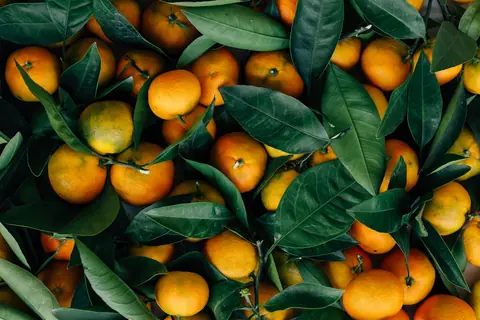
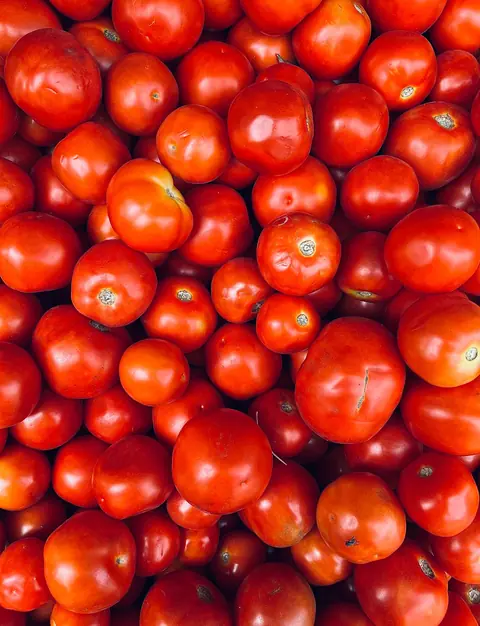
Freshly harvested produce loses quality quickly through respiration while its core is still warm. Pre-cooling slows this process, extending shelf life markedly in delicate products like strawberries. Target temperatures differ by product group: near-freezing-tolerant produce such as stone fruit, grapes, blueberries and garlic travel at -1 to 1°C, leafy and delicate vegetables at 0-1°C, citrus at 3-15°C depending on species (orange at 3-7°C and mandarin at 5-8°C, lemon at 10-14°C and grapefruit at 12-14°C), and cold-sensitive warm-season vegetables such as tomato, pepper and cucurbits at 5-15°C.
The links of the chain in shipment
- Palletizing: stacking on 80×120 cm EUR or 100×120 cm ISO pallets in patterns that preserve airflow; corner boards and strapping.
- Refrigerated trucks / reefer containers: refrigerated trucks by road (~33 euro pallets) and 40' reefer containers by sea (20-23 pallets by product) hold the temperature steady.
- Temperature logging: data loggers added to the load on request record temperature throughout the journey and are reported at delivery.
- Mode selection: the transport mode is never fixed; road, sea, air, or combined transport are planned by destination, shelf life, and deadline.
The international rulebook behind the reefer truck
Cross-border transport of perishable food is not governed informally — it operates under the ATP Agreement (the UN Agreement on the International Carriage of Perishable Foodstuffs), signed in Geneva in 1970 and now recognized by dozens of countries. ATP certification qualifies a specific vehicle or container for cold-chain use based on its insulation performance (measured by a "K-coefficient" — the lower the value, the better the vehicle resists heat exchange with the outside air) and the output of its refrigeration unit, and it distinguishes between insulated, mechanically refrigerated, and combined heating-and-cooling equipment depending on the route and product. In practice, this is why a reefer container or refrigerated truck carrying export produce is a certified, tested piece of equipment, not simply "a truck with air conditioning."
See our logistics page for the operational details of our cold chain approach, and our season calendar for planning.
Frequently Asked Questions
What temperature should citrus be transported at?
It depends on the species: orange travels at 3-7°C and mandarin at 5-8°C, while the more chilling-sensitive lemon needs 10-14°C and grapefruit 12-14°C. Other groups span a wide range too: near-freezing-tolerant produce like stone fruit and grapes at -1 to 1°C, leafy vegetables at 0-1°C, and cold-sensitive vegetables like tomato and pepper at 5-15°C.
What is the ATP Agreement?
The ATP Agreement is a UN agreement on the international carriage of perishable foodstuffs, signed in Geneva in 1970, which certifies vehicles and containers for cold-chain transport based on insulation performance and refrigeration output.