How the reefer set-point is fixed before loading, the two temperature groups of Turkish fresh produce, and the per-product storage and transport table.
Every refrigerated truck or reefer container (refrigerated sea container) that leaves with fresh produce runs at one set-point (the single temperature the refrigeration unit is set to hold), and that figure is fixed before the first pallet is loaded. For a buyer, the figure matters twice: it determines which products can travel together, and it is the number against which the temperature record is read at delivery. As a fresh fruit and vegetable trading company working with grower partners across Turkey, we agree the set-point for each load as part of the order, and this guide explains how it is chosen. The full per-product table follows below.
Why the set-point is fixed before loading
The cold chain is decided at loading, not in transit. Produce is pre-cooled before it goes into the vehicle, so that it enters the reefer at or close to its target temperature. Across our range, pre-cooling and carriage take place between −1 and 15°C depending on the product group, and the transport-temperature range for each product is stated on its product page.
Once the doors close, the set-point cannot be adjusted to suit an individual pallet, so it is agreed with the order. If you ask for a temperature data logger (a small recorder that logs the temperature throughout the journey), it travels with the load and you receive its record at delivery to compare against the agreed set-point. Our cold chain guide describes the links of the chain step by step; this article concentrates on the number itself.
Two temperature groups
The products we ship fall into two broad groups, and the split explains most of the table below.
- The near-zero group. These products keep best just above freezing: cherry, grapes, apricot, peach, nectarine, plum, pear, garlic, strawberry and the leafy and root vegetables travel at −1 to 1°C. Exact figures per product are in the table below.
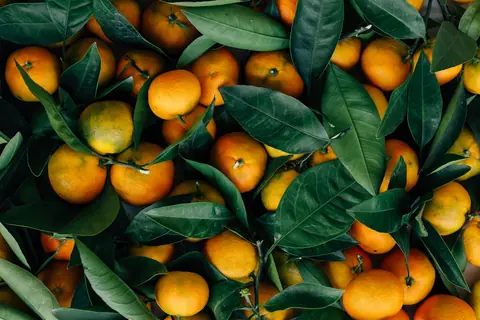
- The chilling-sensitive group. Warm-season vegetables and some fruit are damaged by cold well above freezing and are held warmer: tomato, cucumber, pepper, eggplant, zucchini, melon, watermelon, avocado and all citrus travel at 3 to 15°C depending on the product; citrus varies most (orange 3-7°C, lemon 10-14°C). Exact figures are in the table below.
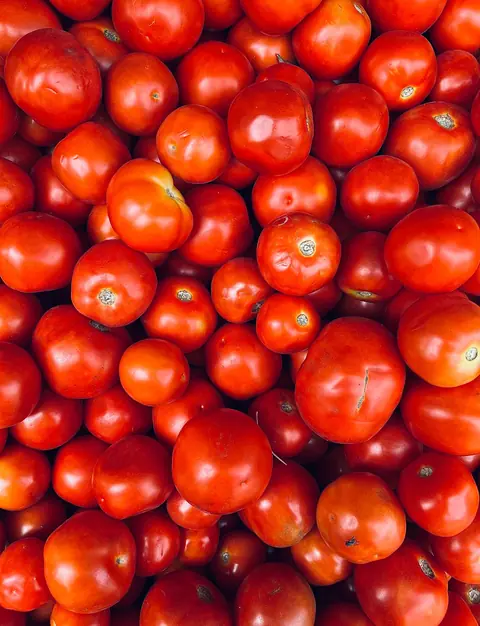
A tomato pallet placed in a reefer running at 0°C for cherries is therefore not merely cold; it is outside the range the product tolerates. This is the practical reason the two groups are planned as separate loads.
Set-points by product
The table lists the storage and transport temperature for every product in our range, grouped by category. The two figures are different things: the storage figure is the best temperature for produce held for weeks in a cold store before loading and after arrival; the transport figure is the set-point we ask for on the refrigerated truck or reefer container. A vehicle holds temperature less precisely than a warehouse, so the transport figure sits a little above the storage figure for produce kept near freezing, and stays clear of the chilling-injury threshold for cold-sensitive produce; that is why the two columns differ for many products.
| Product | Category | Storage Temperature | Transport Temperature |
|---|---|---|---|
| Mandarin | Citrus | 5-8°C | 5-8°C |
| Lemon | Citrus | 10-13°C | 10-14°C |
| Orange | Citrus | 3-9°C | 3-7°C |
| Grapefruit | Citrus | 10-15°C | 12-14°C |
| Cherry | Fruits | −1 to 0°C | −0.5 to 0.5°C |
| Fig | Fruits | −1 to 0°C | 0-1°C |
| Apricot | Fruits | −0.5 to 0°C | 0-1°C |
| Pomegranate | Fruits | 5-7°C | 7°C |
| Peach | Fruits | −1 to 0°C | 0-1°C |
| Nectarine | Fruits | −1 to 0°C | 0-1°C |
| Grapes | Fruits | −1 to 0°C | −0.5 to 0°C |
| Quince | Fruits | −0.5 to 0°C | 0-1°C |
| Apple | Fruits | 0-4°C | 0-2°C |
| Pear | Fruits | −1 to 0°C | −0.5 to 0°C |
| Melon | Fruits | 7-10°C | 7-10°C |
| Watermelon | Fruits | 10-15°C | 10-12°C |
| Plum | Fruits | −1 to 0°C | 0-1°C |
| Kiwifruit | Fruits | 0-1°C | −0.5 to 0.5°C |
| Strawberry | Fruits | 0-1°C | 0-1°C |
| Persimmon | Fruits | 0-1°C | 0-1°C |
| Sour Cherry | Fruits | 0-1°C | −0.5 to 0.5°C |
| Avocado | Fruits | 5-7°C | 5-8°C |
| Blueberry | Fruits | −0.5 to 0°C | 0-1°C |
| Tomato | Vegetables | 10-15°C | 10-12°C |
| Pepper | Vegetables | 7-10°C | 7-10°C |
| Cucumber | Vegetables | 10-12.5°C | 10-12°C |
| Cauliflower | Vegetables | 0-1°C | 0-1°C |
| Dry Onion | Vegetables | 0-1°C | 0-4°C |
| Garlic | Vegetables | −1 to 0°C | −1 to 1°C |
| Eggplant | Vegetables | 10-12°C | 10-12°C |
| Zucchini | Vegetables | 5-10°C | 7-10°C |
| Potato | Vegetables | 4-7°C | 6-8°C |
| Carrot | Vegetables | 0-1°C | 0-1°C |
| White Cabbage | Vegetables | 0-1°C | 0-1°C |
| Red Cabbage | Vegetables | 0-1°C | 0-1°C |
| Leek | Vegetables | 0-1°C | 0-1°C |
| Lettuce | Vegetables | 0-1°C | 0-1°C |
| Spinach | Vegetables | 0-1°C | 0-1°C |
Mixed loads and what to state in the order
Road shipments start from one pallet per product within a mixed load, so several products can share one refrigerated truck. The condition is that every product in the vehicle accepts the same set-point: cherry and tomato do not belong in one truck, whereas tomato, cucumber and pepper, or lemon, grapefruit and tomato, can be planned together. When a buyer's list spans both groups, the load is split or the transport mode is reconsidered.
Pallet sizes and truck and container capacities are the same for every shipment; they are listed in our import guide and on the logistics page.
In the order itself, it helps to state the products and quantities in pallets, the destination, the delivery date and whether a logger record is required. Our cold chain and storage practices are part of the management system certified to ISO 22000:2018, whose scope extends to transport and storage; our quality control page describes the checks that precede loading.
For the full sequence from delivery term to documents, see our guide to importing fresh produce from Turkey and the shipment standards on our logistics page. To plan a load, send the products, quantities, destination and delivery date through our quote form; our team typically replies within 1 business day. The full range is on the products page.
Frequently Asked Questions
At what temperature are tomatoes and cucumbers transported from Turkey?
Tomato is stored at 10-15°C and carried at 10-12°C; cucumber is stored at 10-12.5°C and carried at 10-12°C. Both belong to the chilling-sensitive group, which is held well above freezing, and they are planned separately from near-zero products such as cherry and grapes, which travel at about 0°C.
Can products with different transport temperatures travel in the same truck?
Only when they accept the same set-point. Road shipments start from one pallet per product within a mixed load, so tomato, cucumber and pepper can share a refrigerated truck of roughly 33 euro pallets, but a near-zero product such as cherry is not loaded with a chilling-sensitive product such as tomato. When an order spans both groups, the load is split.
How is the transport temperature verified at delivery?
A temperature data logger is added to the load on request and its record is reported at delivery, so the journey can be compared with the agreed set-point. 40' reefer containers ship with temperature logging, and produce is pre-cooled before loading so that it enters the vehicle at its target temperature.