How nectarine and peach sharing a species shapes production statistics, the regional picture, and the handling risks specific to nectarine.
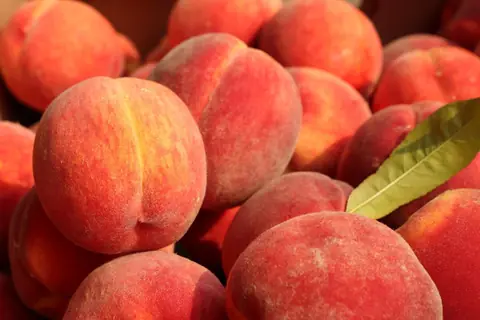
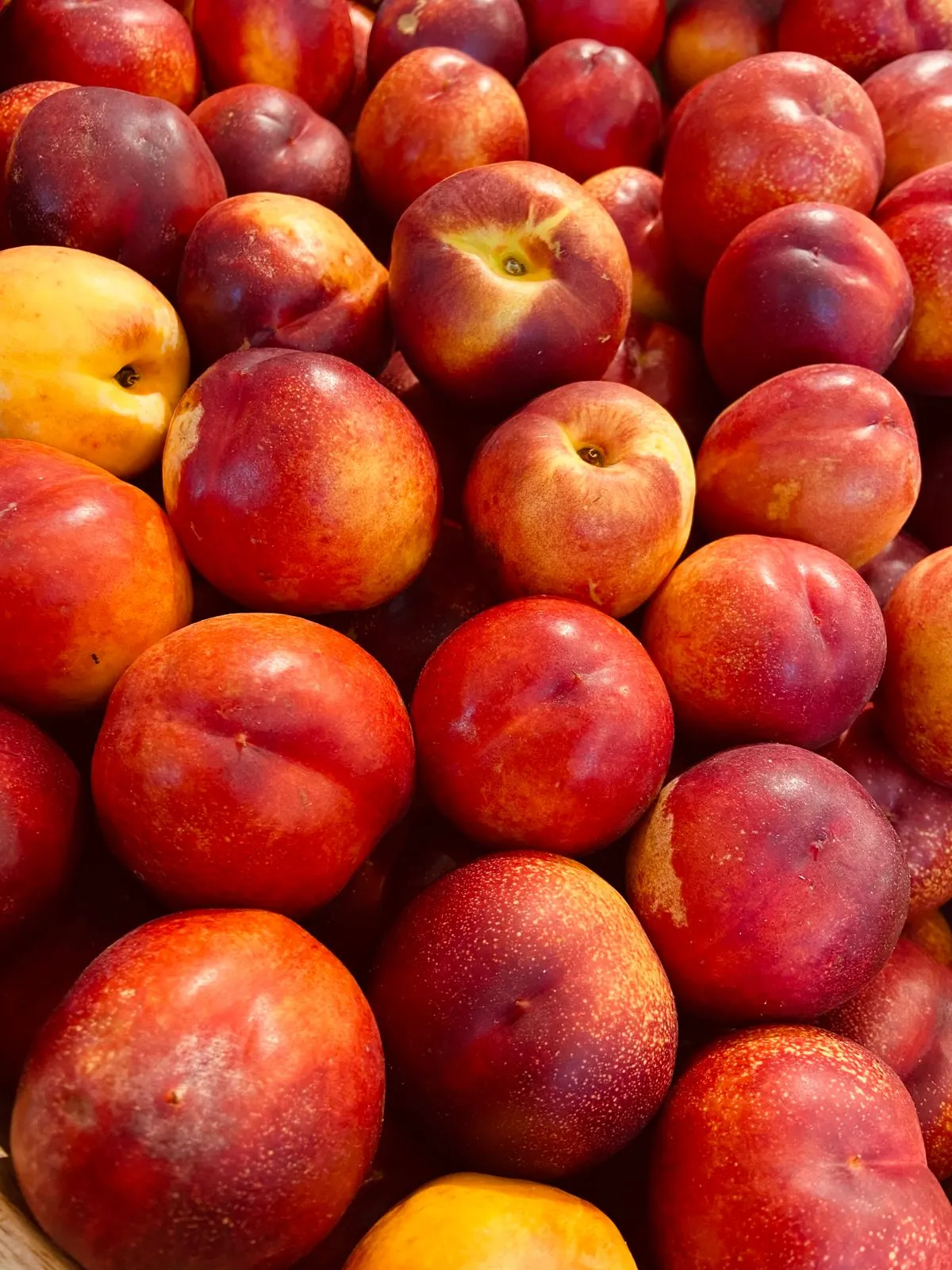
Nectarine is botanically the same species as peach (Prunus persica); the only difference between them comes down to a single recessive gene that controls fuzz on the skin — nectarine simply carries the suppressed version of that gene and develops a smooth skin instead. That close relationship shows up in the statistics too: FAO and sector sources almost never report nectarine separately from peach, tracking both under a single "peach and nectarine" heading — Turkey is among the world's top five producers in that combined category. According to sector sources (the Aegean Fresh Fruit and Vegetable Exporters' Association), combined exports reached $255 million in 2024, led by Russia, Iraq, and Romania.
Çanakkale and Mersin: the regional picture
Çanakkale leads Turkey's peach production in the latest TÜİK figures and ranks among the top three for nectarine, where Mersin holds the largest share; the differing climate belts of Bursa, Mersin, Antalya, and Manisa spread the harvest from early spring into autumn and extend the season further. For the full regional and variety calendar, see our stone fruit guide, and for a direct comparison with peach, our peach export guide.
From early variety to late variety
Our nectarine portfolio runs from early-season Independence and Armking, through mid-season Venus and Big Top, to late-season Gransun and Orion — a variety depth that spreads supply across spring through autumn rather than compressing it into one narrow window. Orion, known for its large fruit and late ripening, reaches its peak in September; Gransun, a yellow-fleshed, export-oriented mid-to-late variety, is active in the same period.
Same standard, different risk
Nectarine ships under the same UNECE marketing standard as peach (FFV-26), with the same three quality classes and the same letter-coded caliber table — full detail is on our nectarine product page. Handling is where the two diverge: peach's fuzzy skin gives the fruit a slight cushion against contact, while nectarine's smooth skin carries no such buffer. That makes nectarine somewhat more prone to scuffing, bruising, and sunburn than peach, and it calls for extra care in handling at both harvest and packing.
A shared cold-chain risk
Like other stone fruit, nectarine must be transported at a steady 0°C; fruit held in the 2-8°C range instead is at risk of "woolliness," an irreversible dry, mealy texture defect. Because this risk is identical to peach's, the two fruits are typically shipped under the same cold-chain protocol — see our cold chain guide for our general discipline on this.
Packaging and how it is eaten
Nectarine shares peach's two packaging formats: a 2-3 kg net 30×50×10 cm single-layer carton (144 to a 100×120 cm pallet) or a smaller 1-1.5 kg net 17×26×10 cm carton (378 to the same pallet). Fruit ripens by a shift in ground color and is generally hand-picked across several passes. Nectarine is eaten mostly fresh; its thinner, glossier skin compared to peach makes it easy to wash and eat directly, without peeling.
For current harvest and supply status, see our Seasonal Calendar; for variety and packaging detail, our nectarine product page; and for the export process, our Export page.
Frequently Asked Questions
What is the difference between nectarine and peach?
They are botanically the same species (Prunus persica); the only difference is a single recessive gene that controls skin fuzz. Nectarine carries the suppressed version of that gene and develops a smooth skin instead.
Does nectarine need a different cold chain than peach?
No — both must be transported at a steady 0°C and kept out of the 2-8°C range, which can cause an irreversible texture defect called woolliness. The two fruits are typically shipped under the same cold-chain protocol.
Which region leads Turkey's nectarine production?
Mersin holds the largest share of Turkey's nectarine production and Çanakkale ranks among the top three (it leads in peach); Bursa, Antalya, and Manisa are other significant producing regions that extend the season.