Turkey's place in combined peach-nectarine production, the geographic indications behind Bursa and Lapseki peach, and the critical cold-chain risk.
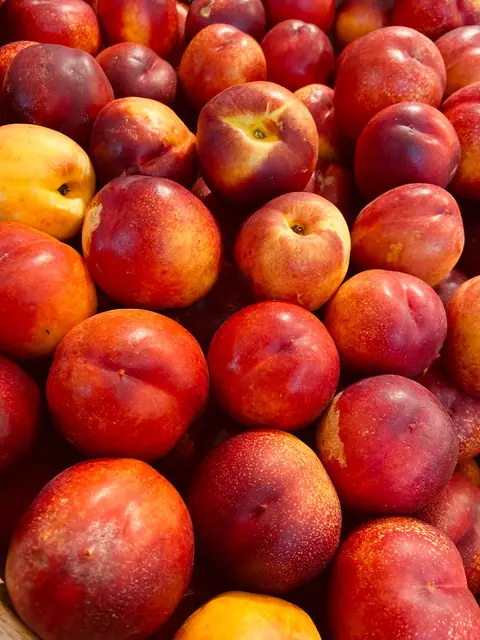
Turkey is among the world's top five producers of peach and nectarine combined, according to FAO data; because the two fruits are the same species (Prunus persica), production statistics almost always report them together, and the combined harvest of about 1.1 million tons in 2023 and 822,000 tons in 2024 (TÜİK). Main export markets are Russia, Iraq, and Romania.
Bursa's geographic indication, Lapseki's volume
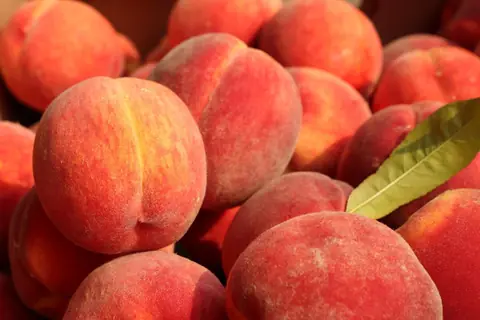
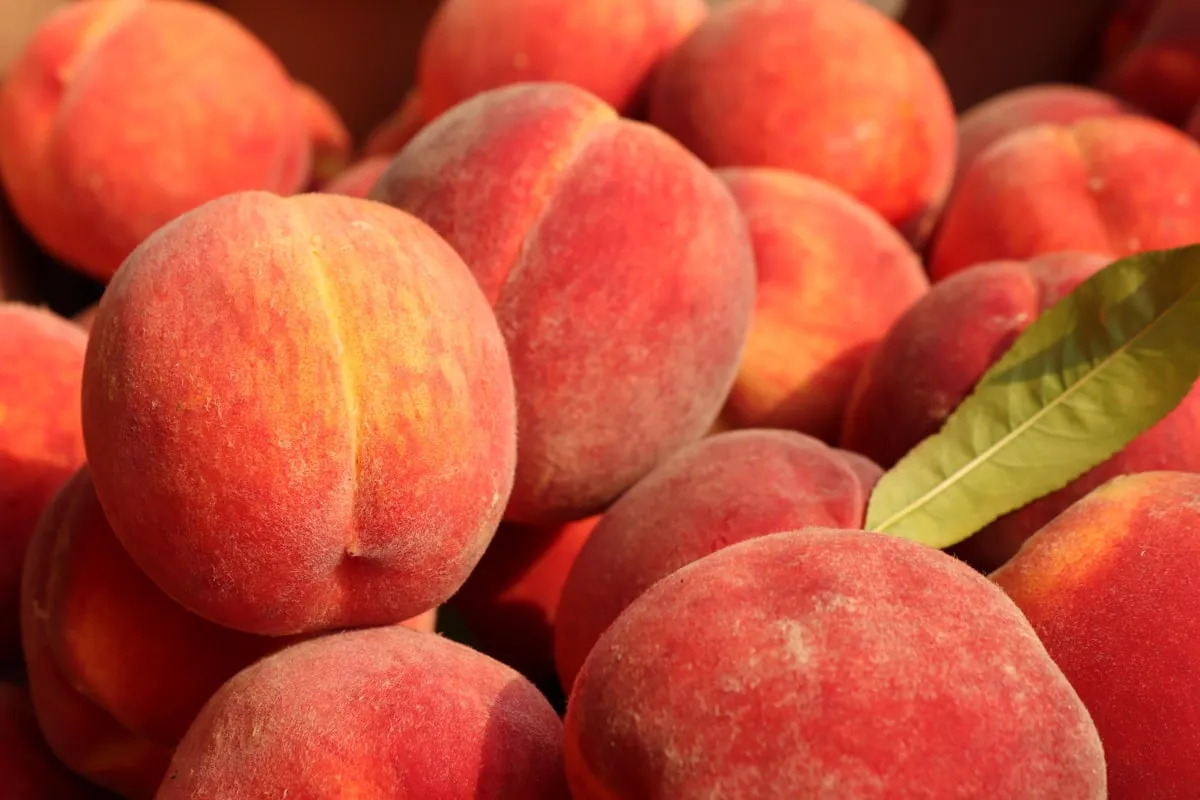
Two regions stand out in peach production, for different reasons. Bursa Peach received European Union geographic-indication registration in 2024 — the 24th Turkish product to be registered in the EU. On the volume side, the picture is different: Çanakkale's Lapseki district, with its own geographically-indicated Lapseki Peach, sits in Turkey's leading peach province: Çanakkale grows roughly a fifth of the national crop in the latest TÜİK figures, and Lapseki supplies about 70% of the province's output. Alongside these two, the early-season harvests of Mersin and Antalya stretch the season from spring into autumn — see our stone fruit guide for the full variety and harvest calendar, and our nectarine export guide for how nectarine differs.
A volatile but recovering export picture
According to sector sources (the Aegean Fresh Fruit and Vegetable Exporters' Association), combined peach-nectarine exports reached $255 million in 2024; in 2025, a poor harvest tied to adverse weather pulled exports down to roughly $160 million. The first months of 2026 point to recovery: in the January-May period, exports rose sharply year-on-year, led by Iraq ($44 million) and Russia ($31 million), and the sector's target for 2026 is again around $250 million.
Quality classification and caliber
Peach ships in three quality classes — Extra, Class I, and Class II — under grading aligned with UNECE's shared peach-nectarine marketing standard (FFV-26), sized by letter-coded caliber from D to AAAA (51 mm up to 90 mm and above); the minimum ripeness threshold is 8° Brix. Full caliber detail is on our peach product page.
The cold chain's "danger zone"
The single most critical point in peach cold chain is holding fruit at a steady 0°C: peach held instead in the 2-8°C range — cold, but not cold enough — develops "woolliness," a dry, mealy texture defect that is irreversible even if the fruit is later brought back to room temperature. Keeping transport and storage temperature steady at 0°C is what determines whether fruit arrives to market intact; see our cold chain guide for our broader discipline on this.
Packaging and handling
Because peach is soft and delicate, it is shipped mostly in single-layer cartons: a 2-3 kg net 30×50×10 cm carton (144 to a 100×120 cm pallet) or a smaller 1-1.5 kg net 17×26×10 cm carton (378 to the same pallet). Since the fruit ripens only within a limited range after picking, it is harvested by hand, usually across several passes, at the right ripeness stage; firm, transport-tolerant varieties go to export while softer-fleshed varieties are directed to local fresh consumption.
For current harvest and supply status, see our Seasonal Calendar; for variety and packaging detail, our peach product page; and for the export process, our Export page.
Frequently Asked Questions
Is Turkey the world's largest peach producer?
Peach and nectarine production statistics are reported together by FAO because they are the same species; in that combined category, Turkey is among the world's top five producers, with a combined harvest of about 1.1 million tons in 2023 and 822,000 tons in 2024 (TÜİK).
When did Bursa Peach receive its geographic indication?
Bursa Peach received European Union geographic-indication registration in 2024 — the first Turkish fruit product to carry EU protection.
What is 'woolliness' in peach?
It is an irreversible cold-injury defect caused by holding fruit at 2-8°C instead of a steady 0°C; the flesh turns dry and mealy and does not recover even if the fruit is later warmed.