Turkey's position as the world's #1 quince producer, holder of 44.6% of global export value, growing regions, and the ethylene risk in storage.
According to FAO data, Turkey harvested roughly 197,500 tons of quince in 2022, making it the world's largest quince producer — per Turkey's Ministry of Agriculture and Forestry and FAO production data, that is about a quarter of world quince production. That leadership carries over into trade: according to Tridge trade data, Turkey alone accounted for 44.6% of global quince export value in 2023 (around $15.7 million) — one of the sector's strongest, most undisputed leadership positions.
Sakarya's Geyve district: the center of gravity
A significant share of quince production is concentrated in the Marmara and Aegean regions. Sakarya's Geyve district stands out on its own, accounting for roughly 60% of Turkey's quince harvest, with Bursa and Denizli also holding a meaningful share of national production. İzmir, Mersin, and Uşak, listed on our product page, are part of our supply network as well.
The Eşme variety and quality classification
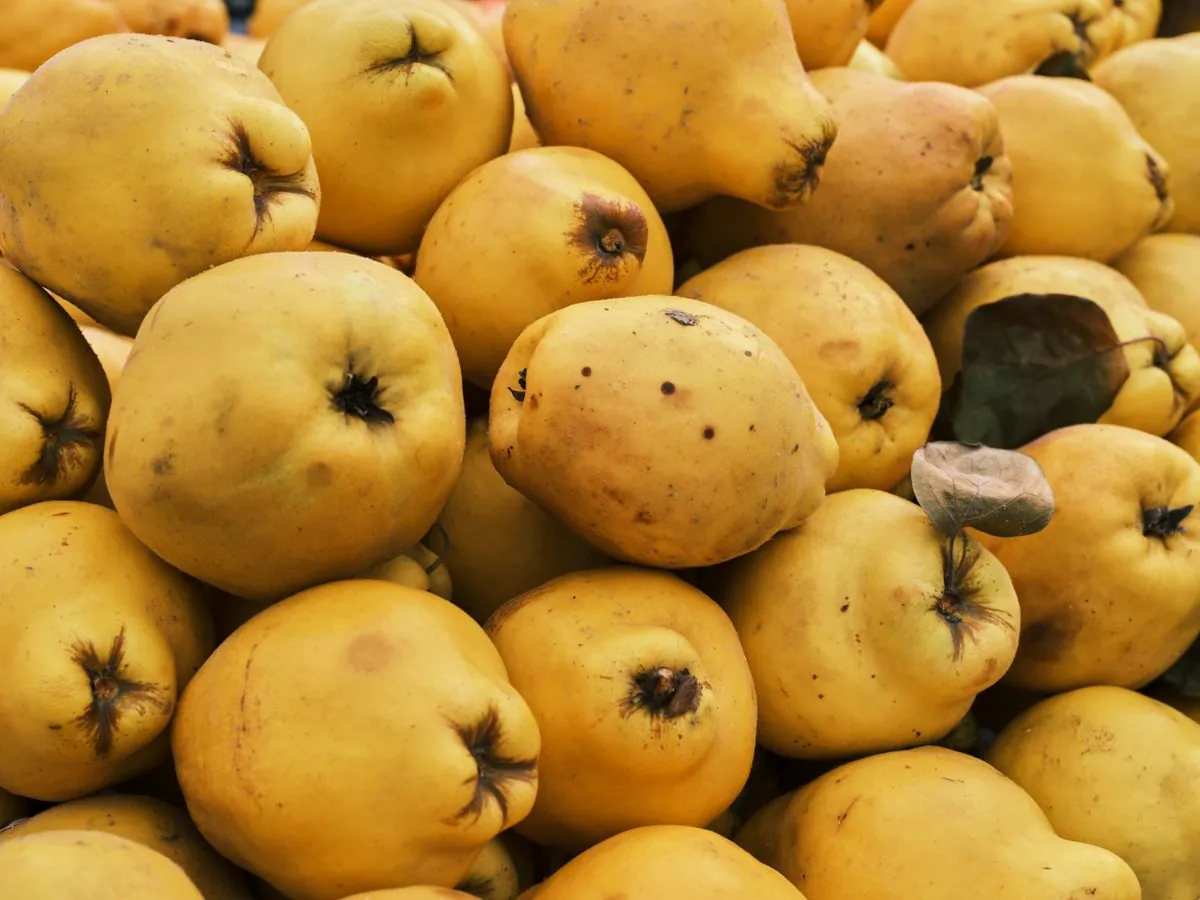
Among the varieties we supply, Eşme stands out for export. It takes its name from its birthplace, the Eşme district of Uşak province, where the climate and soil proved well-suited to quince and the variety gradually spread across the country to become Turkey's most widely grown quince today — now formally registered by the Aegean Agricultural Research Institute. Ekmek quince is preferred more in the domestic market. In line with the UNECE marketing standard for quince (FFV-62), fruit ships in three quality classes — Extra, Class I, and Class II; the full caliber table is on our quince product page.
A storage risk that is easy to overlook: ethylene production
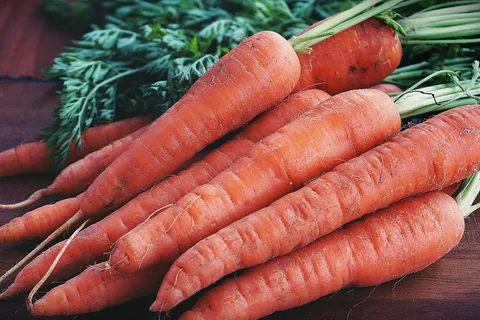
Quince is a climacteric fruit — its ripening continues after harvest — and it produces a relatively high level of ethylene, one that rises noticeably with temperature. For that reason, quince should not be stored alongside ethylene-sensitive produce; carrot is the sensitive counterpart to this same risk, as covered in our carrot export guide. Under the right conditions (0°C, 90-95% humidity), quince holds its freshness for 2-3 months; the most common storage disease is blue mold (Penicillium expansum), prevented by rapid pre-cooling and careful handling.
Unlike apple and pear, quince is mostly eaten cooked, making it a staple ingredient for jam, marmalade, and dessert production. For current harvest and supply status, see our Seasonal Calendar; for variety and packaging detail, our quince product page; and for the export process, our Export page.
Frequently Asked Questions
Is Turkey the world's largest quince producer?
Yes. According to FAO data, Turkey harvested roughly 197,500 tons of quince in 2022, making it the world's largest producer — about a quarter of world quince production; according to Tridge trade data, Turkey alone accounted for 44.6% of global quince export value in 2023.
Why should quince not be stored with certain other produce?
As a climacteric fruit, quince produces a relatively high level of ethylene, which can cause ethylene-sensitive produce stored alongside it to ripen prematurely or spoil; for that reason, quince is best kept in a separate cold room.
What is Eşme quince?
It is a quince variety named after its birthplace, the Eşme district of Uşak province, from where it spread to become Turkey's most widely grown quince; it is now formally registered by the Aegean Agricultural Research Institute and is one of the varieties that stands out among the ones we export.