Per FAO data, Turkey produces roughly 26% of the world's cherries and quinces, 27.8% of its figs, and 20% of its apricots — the world leader in all four.
Turkey ranks among the world's leading producer countries for products such as cherry, fig, apricot, and quince, and is also one of the world's leading countries in mandarin production. This strong production base gives exporters year-round variety and a competitive supply advantage.
What "leadership" actually means in numbers
According to Turkish Ministry of Agriculture and Forestry and FAO production data, Turkey is the world's largest producer of both cherry and quince, accounting for about a quarter of global output in each; it is the largest fig producer at around 27.8% of world production, and the largest apricot producer at around 20%. These are not narrow leads — in each of the four crops, Turkey's harvest represents roughly a fifth to about a third of everything grown on the planet in a given year, which is why continuity of Turkish supply has an outsized effect on global availability for these specific fruits.
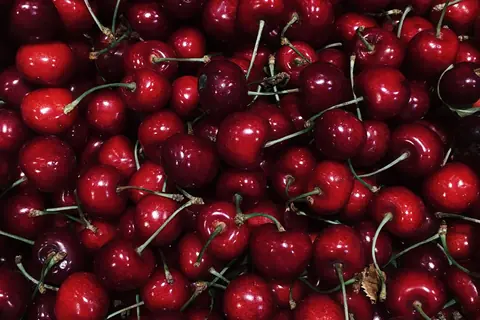
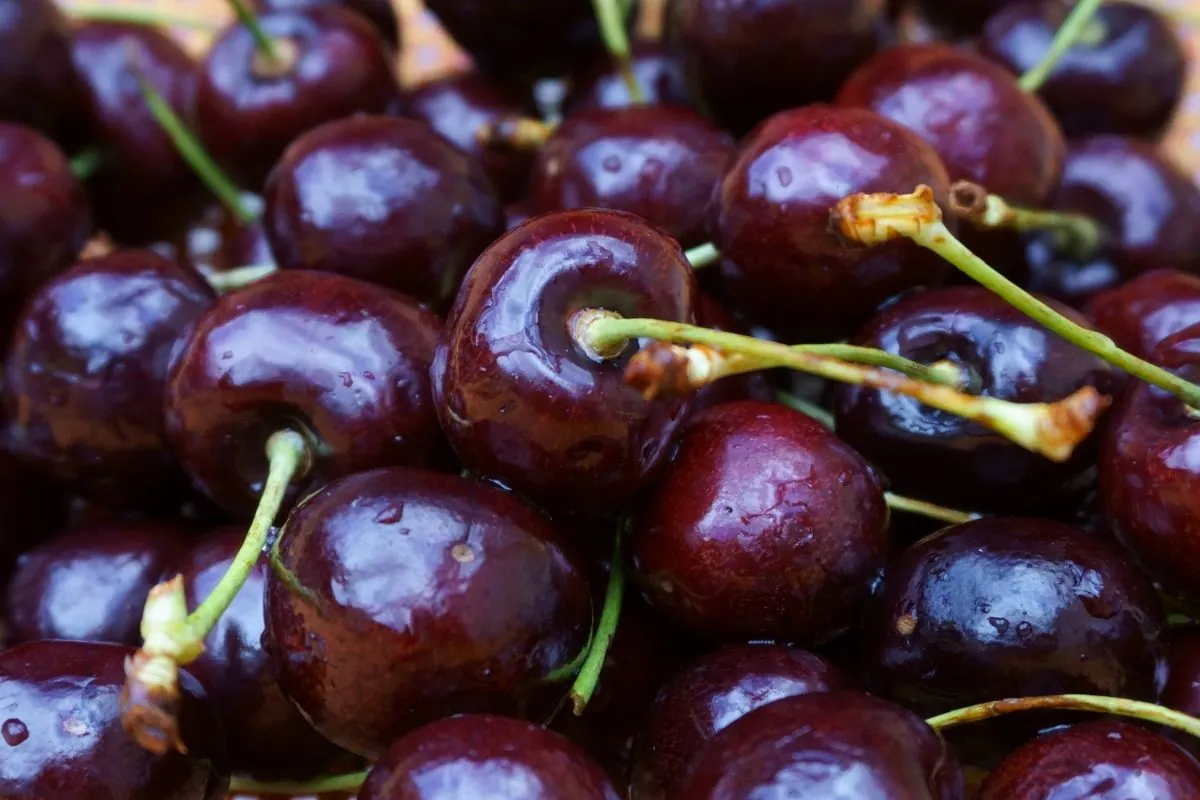
In cherry, the 0900 Ziraat variety is the most widely recognized both domestically and in export markets; harvest begins in early June in lowland orchards and around the third week of June at 900-1,000 meters, and can extend to late July-early August in highland orchards at elevations of 1,500-2,000 meters, such as the Taurus Mountains. Thanks to this elevation gap, a single variety can spread its harvest window across weeks depending on the region.
In fig, Bursa Black and İzmir's Bardacık variety stand out; harvest generally takes place between July and October. In apricot, Malatya's Hasanbey variety forms the backbone of both table consumption and world-famous dried apricot production; in quince, the Eşme district of Uşak has a long-established cultivation tradition.
Why this matters to a buyer, not just a statistic
A crop where one country grows a quarter of world supply behaves differently in trade than one spread evenly across many origins: weather or logistics disruption in Turkey during the harvest window has a visible effect on global availability and pricing for that fruit, and conversely, a normal Turkish season is what keeps global supply of cherry, fig, apricot, and quince stable. For buyers, that makes a reliable, well-documented Turkish supplier less of a regional sourcing choice and more of a structural part of keeping these four categories on shelves worldwide.
At MC Sarıkaya Gıda, we put these product groups, including cherry and fig, through quality control before bringing them to market. You can check our Cherry, Fig, Apricot, and Quince product pages for detailed information.
Frequently Asked Questions
What share of global cherry and quince production comes from Turkey?
Turkey accounts for about a quarter of global cherry production and about a quarter of global quince production, according to Turkish Ministry of Agriculture and FAO data.
When is Turkish cherry harvested?
The 0900 Ziraat variety's harvest begins in early June in lowland orchards and around the third week of June at 900-1,000 meters and can extend to late July-early August in highland orchards at elevations of 1,500-2,000 meters.